

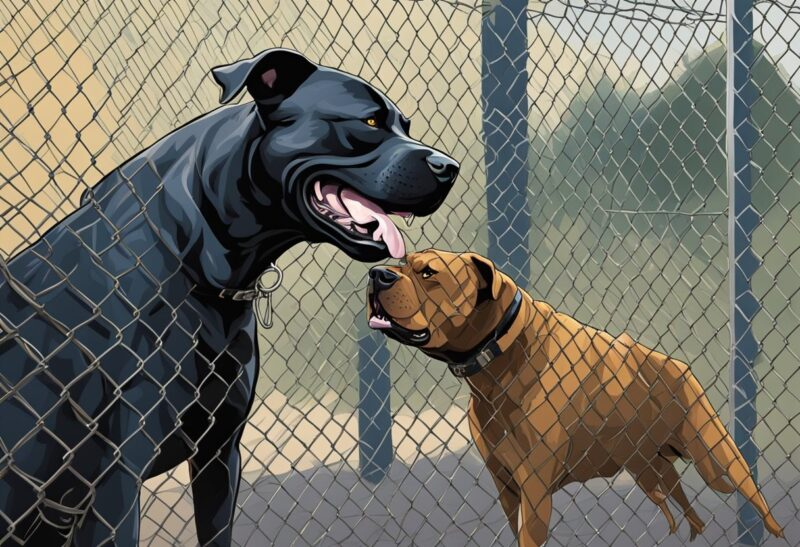
Certain dog breeds have gained reputations as potentially dangerous due to their size, strength, or temperament. While any dog can be aggressive if not properly trained and socialized, some breeds are statistically more likely to be involved in serious incidents.
The most dangerous dog breeds are often identified based on bite statistics, fatality reports, and physical characteristics like jaw strength and body mass. Common breeds on these lists include Pit Bulls, Rottweilers, German Shepherds, and Doberman Pinschers.
It’s important to note that breed alone does not determine a dog’s behavior. Responsible ownership, proper training, and early socialization play crucial roles in shaping a dog’s temperament and reducing the risk of aggression, regardless of breed.
Defining Dangerousness in Dogs
Determining a dog’s level of danger involves examining behavioral traits and analyzing bite statistics. These factors provide insights into which breeds may pose higher risks.
Behavioral Traits
Aggression is a key factor in assessing a dog’s potential danger. This can manifest as territorial behavior, resource guarding, or reactivity to certain stimuli. Some breeds have been selectively bred for guarding or fighting, potentially increasing aggressive tendencies.
Prey drive is another important consideration. Dogs with high prey drive may be more likely to chase and bite smaller animals or even children. This instinct can be difficult to control, even with training.
Fear-based aggression can make a dog unpredictable and dangerous. Dogs that are easily startled or anxious may lash out when feeling threatened.
Bite Statistics and Severity
Bite frequency is a crucial metric in evaluating dog dangerousness. Some breeds are overrepresented in bite statistics, though this can be influenced by popularity and reporting biases.
The severity of bites is equally important. Larger, more powerful breeds can inflict more damage with a single bite. Factors like jaw strength, bite force, and body size contribute to bite severity.
Fatality rates from dog attacks provide another measure of dangerousness. Certain breeds are associated with a higher number of fatal incidents, though such events are relatively rare.
It’s important to note that individual temperament, training, and socialization play significant roles in a dog’s behavior, regardless of breed.
Historical Context of Breed Aggression
Breed aggression has roots in both intentional breeding practices and environmental factors. These elements have shaped certain dog breeds’ tendencies towards aggressive behaviors over time.
Breeding for Aggression
Some dog breeds were purposefully developed for aggression-related tasks. Fighting dogs, like pit bulls, were bred for strength and tenacity in the fighting pit. Guard dogs, such as Rottweilers and German Shepherds, were selected for protective instincts and fearlessness.
Hunting breeds like the Dogo Argentino were bred to pursue and subdue large prey, requiring a degree of aggression. These traits, while useful for specific purposes, can pose challenges in domestic settings if not properly managed.
Effects of Training and Socialization
A dog’s behavior is not solely determined by genetics. Early socialization and consistent training play crucial roles in shaping a dog’s temperament and behavior.
Proper socialization exposes puppies to various stimuli, reducing fear-based aggression later in life. Positive reinforcement training methods can effectively manage and redirect aggressive tendencies.
Conversely, neglect, abuse, or improper training can exacerbate aggressive behaviors in any breed. Dogs raised in isolation or subjected to harsh training methods may develop fear or anxiety-driven aggression.
Common Factors in Dog Attacks
Dog attacks stem from various factors, including owner behavior and environmental triggers. These elements play crucial roles in shaping canine aggression and influencing the likelihood of violent incidents.
Role of Owner Behavior
Improper training and socialization significantly contribute to dog aggression. Owners who neglect to teach their pets basic obedience and appropriate social skills increase the risk of aggressive behavior. Inconsistent discipline and reinforcement of negative behaviors can also lead to confusion and aggression in dogs.
Neglect and abuse are major factors in creating aggressive dogs. Pets subjected to physical harm or emotional distress may develop fear-based aggression as a defense mechanism. Inadequate exercise and mental stimulation can result in pent-up energy, leading to destructive or aggressive outlets.
Failure to recognize and address early signs of aggression is another critical issue. Owners who ignore growling, snapping, or resource guarding behaviors miss opportunities for early intervention and correction.
Environmental Triggers
Unfamiliar or chaotic environments can provoke fear and defensive reactions in dogs. Loud noises, crowded spaces, or unfamiliar people and animals may trigger anxiety-induced aggression.
Territorial instincts play a significant role in dog attacks. Dogs may become aggressive when they perceive threats to their home, yard, or personal space. This is especially true for breeds with strong guarding tendencies.
Pain or illness can cause normally docile dogs to lash out. Medical conditions, injuries, or age-related discomfort may lower a dog’s tolerance for interaction, increasing the likelihood of aggressive responses.
Resource guarding is another common trigger. Dogs may become aggressive when protecting food, toys, or even their owners. This behavior can escalate if not properly managed.
Breeds with Notable Incidents
Certain dog breeds have been involved in a higher number of reported attacks and incidents. These statistics have led to increased scrutiny and debate around breed-specific legislation in some areas.
Pit Bull Types
Pit bull type dogs have been associated with a significant number of reported attacks. This category includes American Pit Bull Terriers, American Staffordshire Terriers, and Staffordshire Bull Terriers. These breeds often face restrictions in many jurisdictions due to their involvement in serious incidents.
Pit bulls have been implicated in fatal attacks at a higher rate than other breeds. Some studies suggest they are responsible for a disproportionate number of severe injuries, particularly to children and the elderly.
Critics argue that pit bulls’ strong jaws and tenacious nature contribute to the severity of attacks. Advocates counter that individual temperament and responsible ownership play larger roles than breed characteristics.
Rottweilers
Rottweilers rank second in reported fatal attacks in the United States. These large, powerful dogs were originally bred for herding and guarding.
Rottweilers possess a strong protective instinct, which can lead to aggression if not properly trained and socialized. Their size and strength make them capable of inflicting serious injuries when they do attack.
Incidents involving Rottweilers often occur when the dogs are protecting their territory or family members. Proper training and early socialization are crucial for managing their protective tendencies.
German Shepherds
German Shepherds are frequently involved in dog bite incidents, though typically less severe than those attributed to pit bulls or Rottweilers. These intelligent, loyal dogs are popular as both family pets and working dogs.
Their protective nature can lead to aggressive behavior if not properly managed. German Shepherds may react defensively to perceived threats to their family or territory.
Many incidents involving German Shepherds occur in the context of their work in law enforcement or security roles. In these situations, the dogs are often trained to be assertive and may use force when commanded.
Proper training and socialization from an early age are essential for preventing aggressive behavior in German Shepherds.
Legislation on Dangerous Breeds
Governments worldwide have enacted various laws and regulations to address concerns about potentially dangerous dog breeds. These measures aim to enhance public safety and reduce incidents involving aggressive dogs.
Breed-Specific Legislation
Breed-Specific Legislation (BSL) targets certain dog breeds deemed potentially dangerous. These laws often restrict or ban ownership of specific breeds, such as pit bulls, Rottweilers, and Doberman Pinschers.
Some jurisdictions require owners of these breeds to:
- Muzzle their dogs in public
- Keep them on short leashes
- Obtain special licenses
- Carry higher insurance coverage
Critics argue BSL is ineffective and unfairly targets responsible owners. They contend that a dog’s behavior depends more on training and socialization than breed.
Worldwide Legal Perspectives
Different countries approach dangerous dog legislation in varied ways. The United Kingdom enforces the Dangerous Dogs Act, which bans ownership of certain breeds like pit bull terriers and Japanese Tosas.
In contrast, Italy repealed its breed-specific laws in 2009, focusing instead on owner responsibility. The United States lacks federal legislation, leaving regulation to individual states and municipalities.
Some countries, like the Netherlands, have moved away from breed-specific laws. They now emphasize education and responsible ownership for all breeds.
Germany requires a temperament test for certain breeds before allowing ownership. This approach aims to identify potentially aggressive individuals rather than blanket restrictions on entire breeds.
Risk Assessment and Prevention
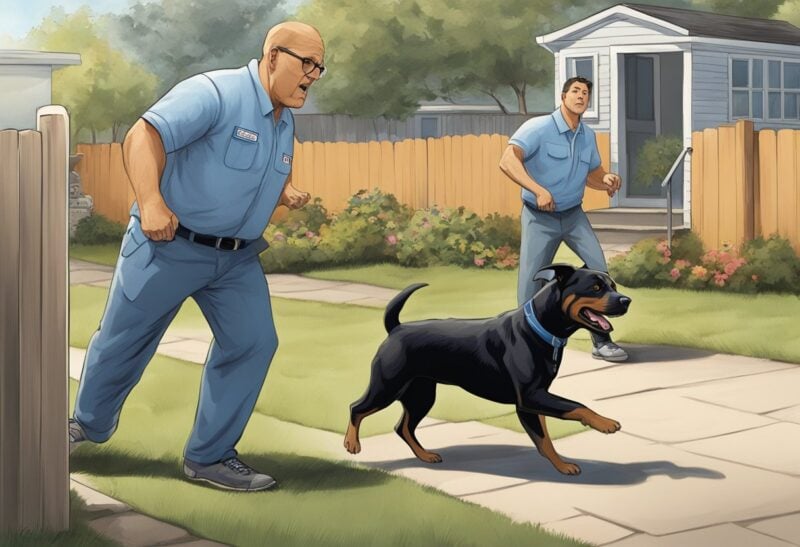
Assessing risk and implementing preventive measures are crucial for responsible dog ownership, especially with potentially dangerous breeds. Proper training, socialization, and management can significantly reduce aggression risks.
Identifying Aggressive Behaviors
Dogs may display warning signs before aggressive outbursts. Common indicators include growling, snarling, and showing teeth. Raised hackles, a stiff body posture, and direct eye contact can also signal potential aggression.
Sudden changes in behavior or increased reactivity to stimuli should be noted. Territorial aggression might manifest as excessive barking or lunging at passersby. Fear-based aggression often involves cowering, trembling, or attempting to flee before resorting to aggression.
Early recognition of these signs allows owners to intervene and seek professional help if needed.
Preventive Measures for Owners
Proper socialization is key to preventing aggression. Expose puppies to various people, animals, and environments during their critical developmental period (3-16 weeks).
Consistent training using positive reinforcement techniques helps establish clear boundaries and expectations. Basic obedience commands like “sit,” “stay,” and “come” provide control in potentially risky situations.
Secure fencing and leash control are essential for public safety. Use appropriate equipment such as muzzles or harnesses when necessary. Regular exercise and mental stimulation help reduce stress and boredom-related behavioral issues.
Spaying or neutering can decrease hormone-driven aggression in some cases. Responsible breeding practices also play a role in reducing genetic predispositions to aggression.
Dog Bite Statistics and Analysis
Dog bite incidents are tracked and analyzed to identify trends and risk factors. The data provides insights into breed involvement and circumstances surrounding attacks.
